U.S. aircraft disable Palau-flagged ship leaving Iranian port
U.S. Central Command said aircraft disabled the Pacific Archer in the Gulf of Oman on Thursday after it left Iran's Bandar Abbas and tried to run the American blockade.
What we know
- U.S. Central Command said a military aircraft hit the stern of the Palau-flagged M/V Pacific Archer on Thursday, Nov. 26, and the strike was announced Friday.
- The ship had left the Iranian port of Bandar Abbas, and its propulsion was disabled; the civilian crew was unharmed, according to CENTCOM.
- Since the blockade resumed in July, CENTCOM says, 158 ships that complied were turned around, while six that ignored the orders were disabled.
- Iran's navy commander said Iran will act to break the blockade, and the Revolutionary Guard made claims about tankers and a sea mine that AP said it could not verify.
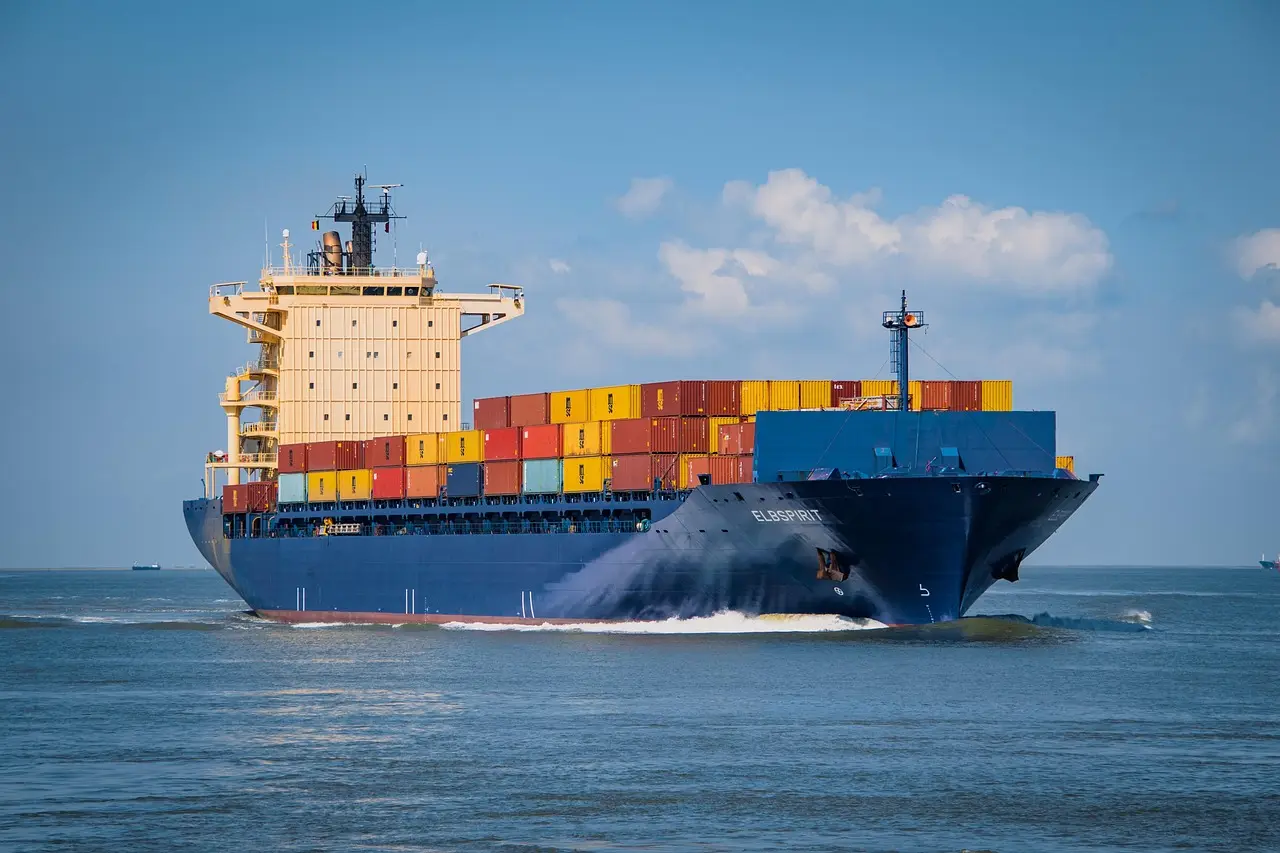
U.S. forces disabled a commercial ship in the Gulf of Oman on Thursday after it tried to get past the American blockade of Iranian ports, U.S. Central Command (CENTCOM) said on Friday. The military said the crew was not hurt.
According to CENTCOM, the vessel was the Palau-flagged M/V Pacific Archer, a merchant ship that had departed Bandar Abbas, an Iranian port on the Strait of Hormuz. The Associated Press reported that a military aircraft fired precision munitions at the ship's stern. CENTCOM said the strike ended with the vessel's propulsion disabled and its civilian crew unharmed. Ship-tracking websites list Singapore as the ship's destination, the AP said.
CENTCOM has said its forces give merchant ships multiple warnings before they open fire, and both Fox News and CBS News reported that the Pacific Archer was warned before the strike.
How the blockade has gone
The U.S. has blockaded Iranian ports since April. It lifted the measure during summer talks with Tehran and reinstated it in July. According to CBS News and Fox News, CENTCOM's tally is 158 commercial ships turned around after they followed instructions, and six disabled after they ignored them. The AP described the Pacific Archer as at least the 15th vessel disclosed as disabled since the blockade began, and the sixth since it resumed. The previous one was disabled on Nov. 7, the AP said.
The blockade has already caused deaths. The AP reported that in June, a U.S. strike on a tanker trying to evade it killed three people, and Indian officials said three Indian sailors died when American forces hit the Palau-flagged tanker Settebello.
Iran's response
Iranian navy commander Shahram Irani said on state television on Friday that Iran will carry out operations "that will not only break the naval blockade but also drive the enemy out of the region's waters," as quoted by the AP.
The Revolutionary Guard said two tankers tried to cross the Strait of Hormuz on an unauthorized route. It claimed one hit a naval mine and the other turned back. The AP said it could not independently verify those claims. CBS News also noted an unproven claim from Irani that Iranian commandos retook two seized tankers.
Diplomacy and shipping
The war began at the end of February and has settled into what the AP called a quiet stalemate in recent months. Officials from Persian Gulf countries, Pakistan and Turkey have been calling senior U.S. officials in an effort to head off renewed fighting, the AP reported.
Iran's ambassador to Pakistan, Reza Amiri Moghadam, has said Tehran is open to talks. In a mid-November interview reported by Dawn, he said that if the U.S. accepts Iran's terms, "we are ready to sit down and negotiate with them." Dawn reported that Iran's conditions include an end to the war, the release of blocked funds and an end to the naval blockade. CNN published a video interview with him on Friday, but its contents could not be confirmed for this report.
Shipping through the strait has fallen. CBS News, citing the analytics firm Kpler, said there were 147 weekly transits as of Nov. 23, down from 217 in early November. Rystad Energy estimates oil flows in the first two weeks of November dropped about 20% from October, to roughly 13 million barrels a day, the AP reported.
Sources
- PBS NewsHour (Associated Press), read Nov 27, 2026
- CBS News, read Nov 27, 2026
- Fox News, read Nov 27, 2026
- Dawn, read Nov 27, 2026
This story was written by the Ika Times Newspaper newsroom with AI assistance from the sources above. Report an error.