EPA finds no airborne lead after Army blast at Iowa plant
EPA air monitors detected no airborne lead after the Army destroyed about five tons of unstable lead azide at the Iowa Army Ammunition Plant, and lab results on soil and dust are still due.
What we know
- The Army detonated about five tons of degraded lead azide at the Iowa Army Ammunition Plant in Middletown on Wednesday, Nov. 25.
- The Army chose to blow up the material on site because it was no longer safe to transport, according to Newsweek.
- EPA air monitors have reported no detectable airborne lead since the blast, according to the agency and EPA Administrator Lee Zeldin.
- EPA has collected more than 3,000 air, water, soil and dust samples, before and after the detonation, and says lab results are still coming.
- About 350 farms in Iowa and Missouri were considered potentially exposed, based on a USDA projection of where a plume might travel.
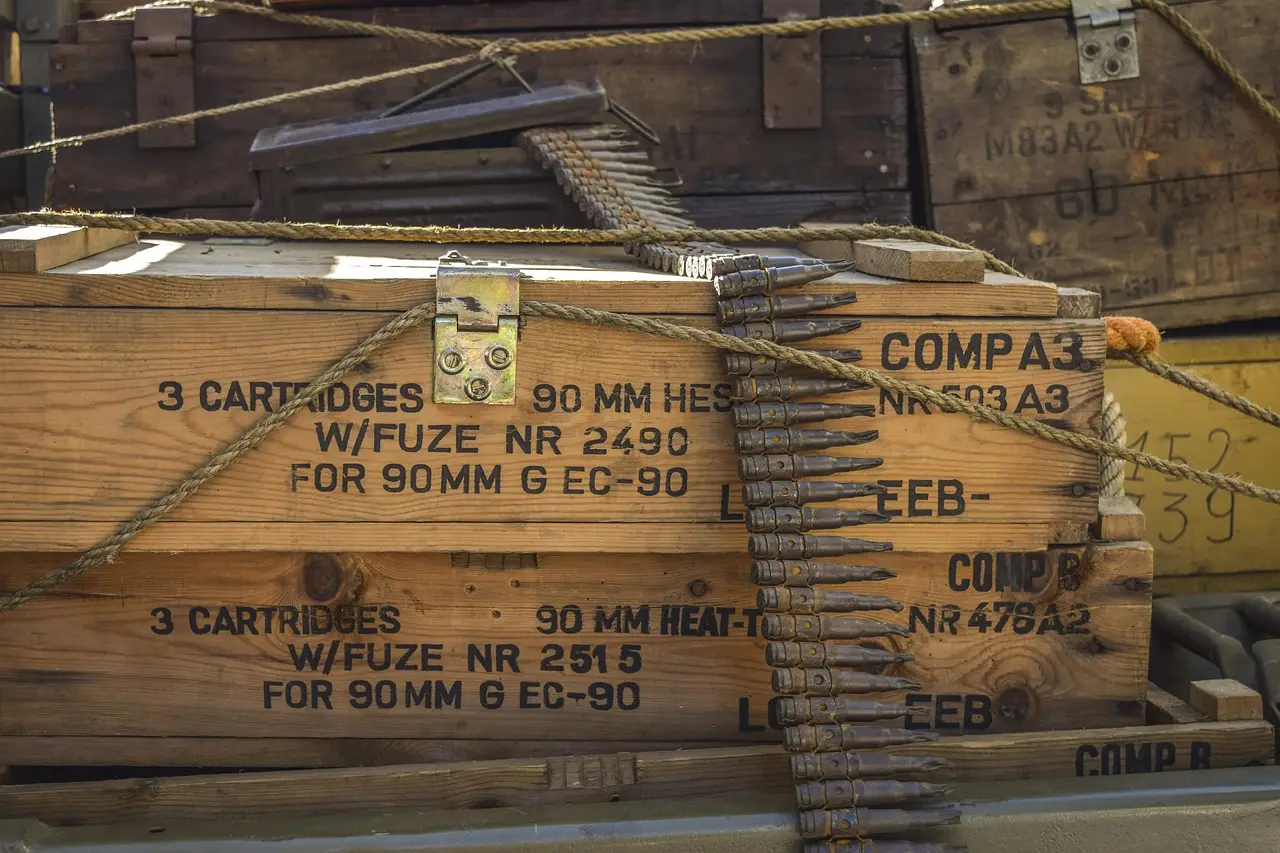
The Environmental Protection Agency says its air monitors have found no airborne lead since the Army destroyed a large stockpile of degraded lead azide at the Iowa Army Ammunition Plant in Middletown on Wednesday. EPA Administrator Lee Zeldin called the readings a best-case outcome in a Fox News interview on Friday.
The Army detonated roughly five tons of the unstable explosive compound, which Newsweek reported had been stored in 68 barrels. The service decided to destroy it on site because the material had become too unsafe to move, Newsweek reported. CBS2 Iowa said the operation had been postponed several times over environmental and health concerns. The two outlets differ on details: CBS2 described the amount only as several tons, and Newsweek put the timing at about 1 p.m. Central.
What the monitors showed
Zeldin told CNN on Wednesday that the monitors had picked up no lead more than half an hour after the blast, and he said the explosion had "caved inward perfectly." According to Fox News, four monitoring stations downwind of the plant kept recording no detectable lead until the work ended Thursday afternoon, after 30 straight hours without a detection.
"We had 0.0 readings on our air monitoring, and that's certainly a best-case scenario," Zeldin told Fox News.
President Donald Trump said Thursday that the area was "100% safe," according to Fox News, and praised the Army's handling of the detonation.
Sampling and farms
EPA has gathered more than 3,000 air, water, soil and dust samples, Fox News reported: 1,639 before the detonation to set a baseline and 1,618 afterward. Newsweek, citing an earlier agency update, gave a slightly lower pre-blast figure of 1,591. As of Friday, the agency had finished 88% of the post-detonation sampling at homes that were also tested beforehand, Fox News said.
Newsweek reported that the testing covers lead, volatile organic compounds and particulate matter. Crews have taken samples at homes, public spaces, drinking water sources and nearby farms, working with the U.S. Department of Agriculture. More than 130 structures that were tested before the blast have been sampled again.
The detonation raised worries about farmland, livestock feed and the food supply. Newsweek reported that USDA projections of where a plume could travel put about 350 farms in Iowa and Missouri in the potentially exposed category. Before the operation, agricultural officials advised livestock producers in those areas to bring animals indoors where possible and to cover feed, hay and water.
The Army installed blast barriers around the bunkers and used gels and foams to hold down lead dust, then sprayed thousands of gallons of water over the site afterward, according to Newsweek. CBS2 Iowa reported the Army's plan aimed to direct the blast into the ground and limit lead escaping into the air.
Iowa Secretary of Agriculture Mike Naig said in a Wednesday statement, as quoted by Newsweek: "EPA's real-time air monitors are not detecting airborne lead in the region so we believe the detonation was successfully contained." His department does not expect harm to livestock health or food safety based on what is known so far.
What happens next
Zeldin said on Friday the first post-detonation sampling results could come out that night. He said the agency will "do all of our due diligence" and hoped the lab work would confirm what the air monitors showed. Newsweek reported that soil and dust testing was expected to wrap up soon and that air and water sampling is continuing.
The EPA said it will keep a presence on the ground for as long as needed, according to Newsweek. None of the three outlets reported evacuations, injuries or road closures tied to the detonation.
Sources
This story was written by the Ika Times Newspaper newsroom with AI assistance from the sources above. Report an error.
Related articles
Army seeks power plant and data center builders for nine bases
The Army is offering 25-year land leases at nine installations to firms that will build power plants, and ideally data centers, that can run a base for 14 days if the grid fails.

ICE agent fights Minnesota assault charges that carry up to six years
An ICE agent charged in Minnesota over a highway gun incident is trying to move his case to federal court, and his lawyers say the outcome could shape future prosecutions of agents.
Rikers closure plan by 2032 draws public safety warning from expert
New York Mayor Zohran Mamdani wants Rikers Island closed by 2032 with four borough jails, and a Manhattan Institute researcher says the plan could hurt public safety.

Thanksgiving in wartime: how the U.S. fed troops turkey, 1864 to Vietnam
Historical accounts show the U.S. has moved turkey to troops in wartime since the Civil War, by train, ship and helicopter, sometimes at the cost of supplies at home.