Study finds heart rates stay elevated more often while driving
University of Houston researchers tracked 57 adults for a week and found heart rates stayed above resting levels for 94% of driving time, versus 81% of other sitting time.
What we know
- The study followed 57 adults for one week using Apple Watches, smartphones and a device installed in each participant's car.
- Heart rate was above each person's resting baseline for about 94% of driving time and about 81% of other sedentary time.
- Average heart rates were similar in both settings, but they returned to baseline about half as often during driving.
- The data are observational, and the researchers have not shown that the elevated heart rates cause harm.
- The work was led by University of Houston computer scientist Ioannis Pavlidis and published in npj Digital Public Health.
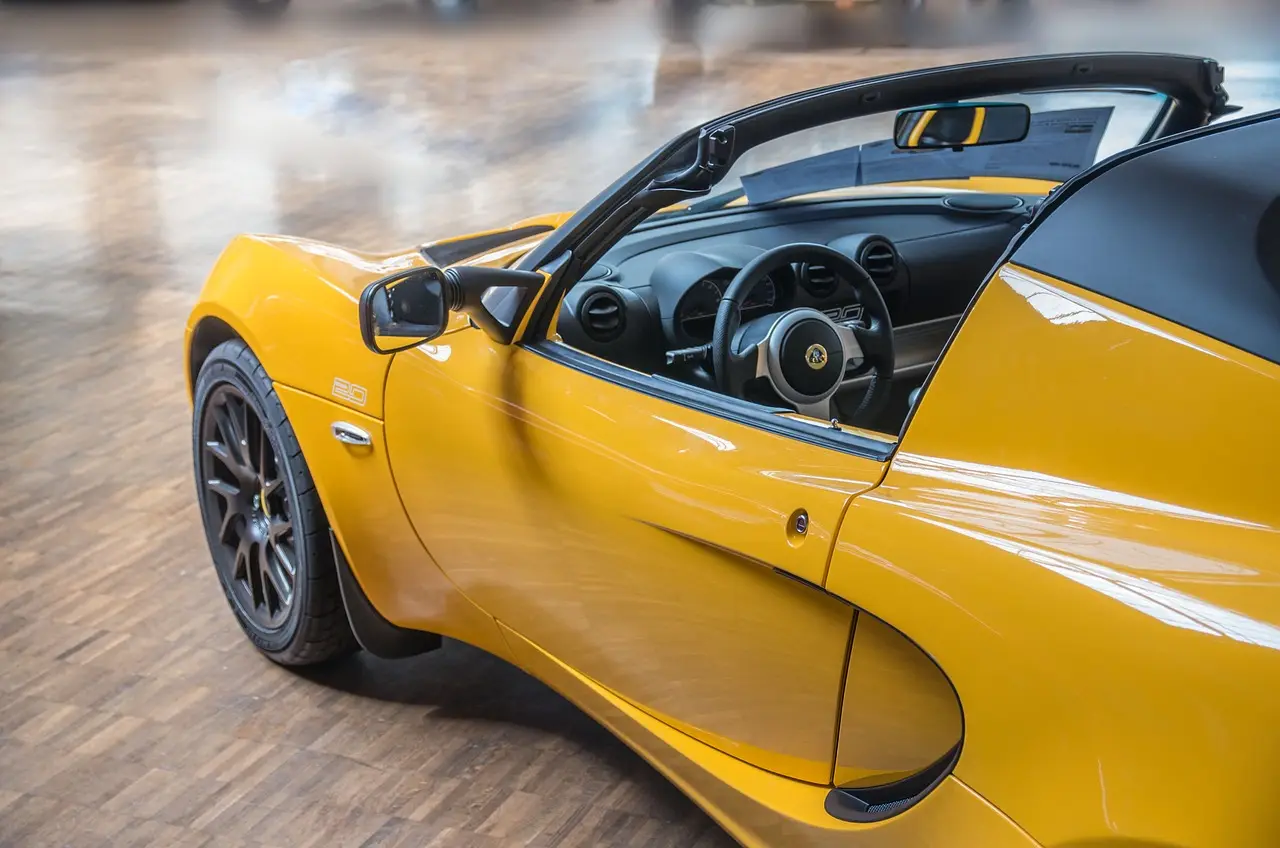
Driving keeps the heart working above its resting level more consistently than other kinds of sitting, according to a University of Houston study of 57 adults. The researchers said the pattern may reflect the attention and decision making that driving demands, and they stressed that the study does not show it causes harm.
The university announced the findings on Nov. 23. ScienceAlert covered the work on Nov. 27. The study appeared in the journal npj Digital Public Health and was led by Ioannis Pavlidis, a computer science professor at the university. The release said it was carried out with the Texas A&M Transportation Institute.
How the study worked
Participants wore Apple Watches for a week. Their smartphones, along with a device installed in each car, recorded movement and activity. According to ScienceAlert, 30 of the volunteers were men and 27 were women, and the group's mean age was 26.2. The university said participants were spread across major Texas cities, including Houston, Dallas and San Antonio.
Together, the monitoring produced almost 3,000 hours of observations, according to ScienceAlert. The university described the same data as nearly 180,000 minute-level observations. Participants logged more than 300 hours of driving across nearly 1,000 trips. Driving made up about 10% of monitored time, while non-driving sedentary activity made up about 86%.
What the researchers found
Average heart rates during driving and during other sedentary activity were close to each other. The difference showed up in how the heart behaved over time. Heart rate stayed above each person's resting baseline for about 94% of observed driving time, compared with 81% of other sedentary time. While driving, heart rates varied within a narrower range and returned to baseline roughly half as often.
ScienceAlert reported that the pattern held on both weekdays and weekends. The researchers took that as a sign it was not simply a product of the weekday routine.
Pavlidis offered one explanation in the university's release. "The body may be sitting, but the mind is working," he said, adding that the heart reflects those demands. He also drew a contrast with exercise, saying that when the heart works harder behind the wheel, "we get none of the benefits of exercise."
The university release also included two estimates from the team's modeling. Higher anxiety scores predicted about one extra heartbeat per minute while driving. For someone who drives eight hours every day, the researchers estimated roughly 173,000 additional heartbeats per year. The release described the anxiety result as a model prediction.
Limits and next steps
ScienceAlert noted that the findings come from observational data and that the research contains no evidence that the elevated heart rates during driving are harmful. It also reported that Pavlidis described the long-term health consequences as an open question. The participants were young adults, and neither the release nor the ScienceAlert report said whether any had heart conditions.
The university said the team plans to study larger and more diverse groups over longer periods. That includes long-distance commuters and full-time drivers such as rideshare drivers. The researchers also intend to measure whether the heart gets a break during autonomous rides. Pavlidis said the work makes the hidden activation measurable, which could open the way to clinical studies of its consequences.
Sources
- ScienceAlert, read Nov 28, 2026
- University of Houston, read Nov 28, 2026
This story was written by the Ika Times Newspaper newsroom with AI assistance from the sources above. Report an error.
Related articles

ETH Zurich team builds tooth-mounted sensor for silent AI commands
Researchers at ETH Zurich built InvisiSpeech, a small sensor worn on a back tooth that picks up silently mouthed words and recognized about 90% of 50 commands in a 15-person test.